
6 min read · Giggle Goblin
An Experiment Streamlining Daggerheart Combat
A Daggerheart combat variant inspired by Nimble to speed up play, reduce bookkeeping, and keep attention on the action.
On this page
I’m someone with a pretty broad RPG collection. I’m not deeply invested in any one system, although the predominance of D&D means I’ve probably spent half my time playing D&D and half my time on everything else. And I like rules systems! I’ve been a software engineer for 15 years and tend to think in systems.
One of the systems I feel like I’ve learned some of the most from in the last couple years is Nimble. Nimble started as a rules hack of 5e and overtime evolved into it’s own extremely streamlined, 5e compatible-ish game. It’s probably my favorite release of last year purely for what I learned about making things really simple.
Nimble excels at making combat feel ergonomic. It distills a few principles in it’s rules:
- Speed Up Combat: Eliminate tedious rolls and long waiting periods to get through turns faster.
- Minimize Bookkeeping: Reduce time spent tracking complex stats, tedious modifiers, and administrative rules.
- Increase Meaningful Choices: Give players and GMs engaging, strategic options during both turns and reactions rather than standard repetitive attacks.
- Balanced Choices: Avoid “trap options” or overpowered choices so that every weapon, spell, and ability remains a viable, active choice.
- Fill in the Troughs: Improve the less enjoyable, slow, or frustrating parts of standard 5e gameplay to raise the overall average fun of a session.
I’m not sure if designing an ergonomic combat system was really a design goal of Daggerheart or not. Instead it seems geared towards storytelling and engagement, which are lovely combat goals. But I’m ADHD… too many administrative tasks and all the sudden things that matter to me and my players starts dropping off or our attention does. I play with a mixture of gamers who want to think about their character between games and learn all the rules and gamers who play 3-5 times and year and forget the rules between every game. Things I can do to reduce back and forth logistics let us focus on storytelling.
So how will we do it?
Remove Rolls to Hit
Just roll for damage. That’s it.
In Nimble, you just roll damage. Your left most dice serves as the “primary” dice. If it’s a 1, you miss. If the max number on the die, you crit. It has exploding crits so that means roll another damage dice. If it’s the maximum keep on adding dice and so on.
Do roughly the same thing.
Roll your damage dice.
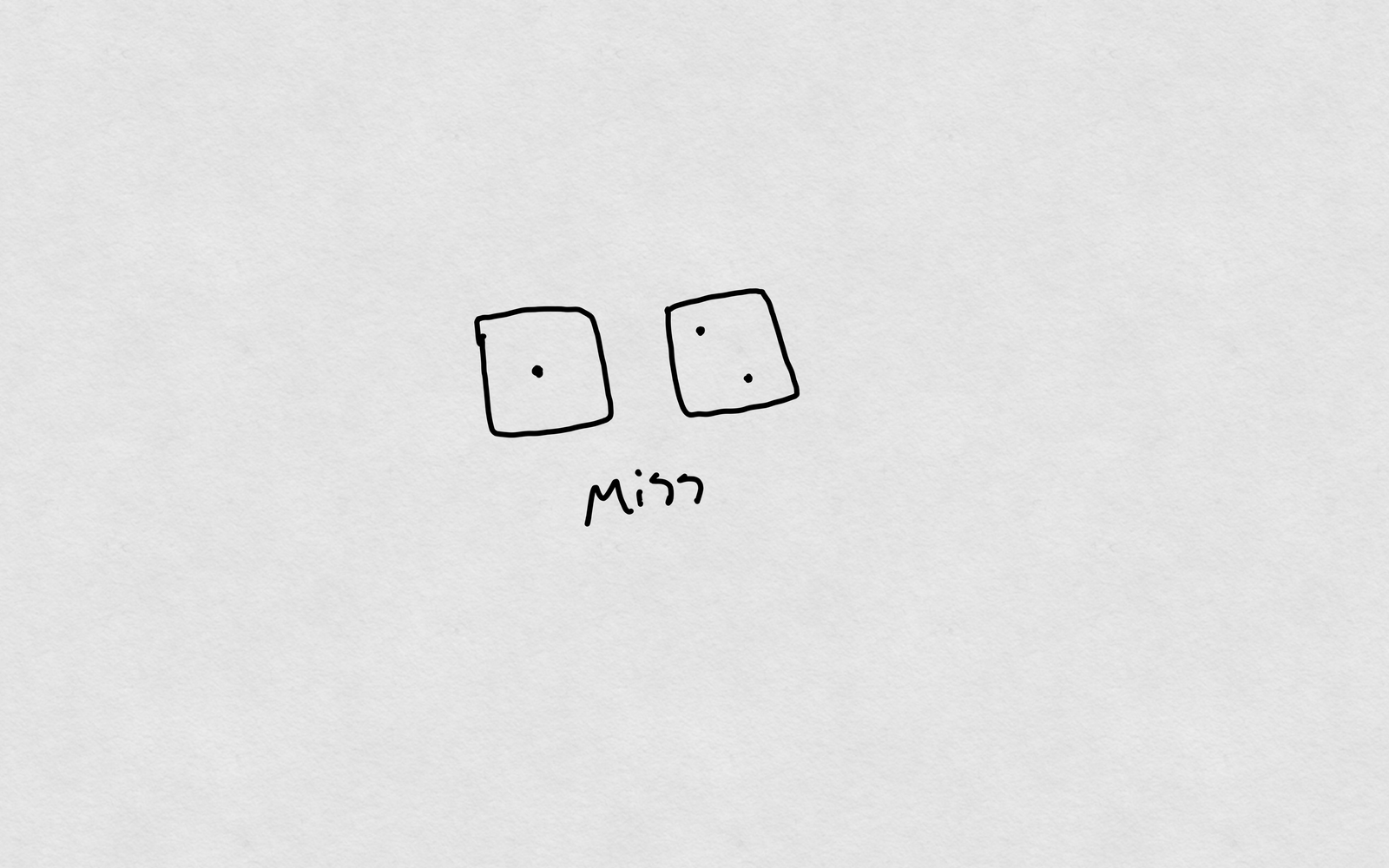
If you left most dice is a 1, you miss.
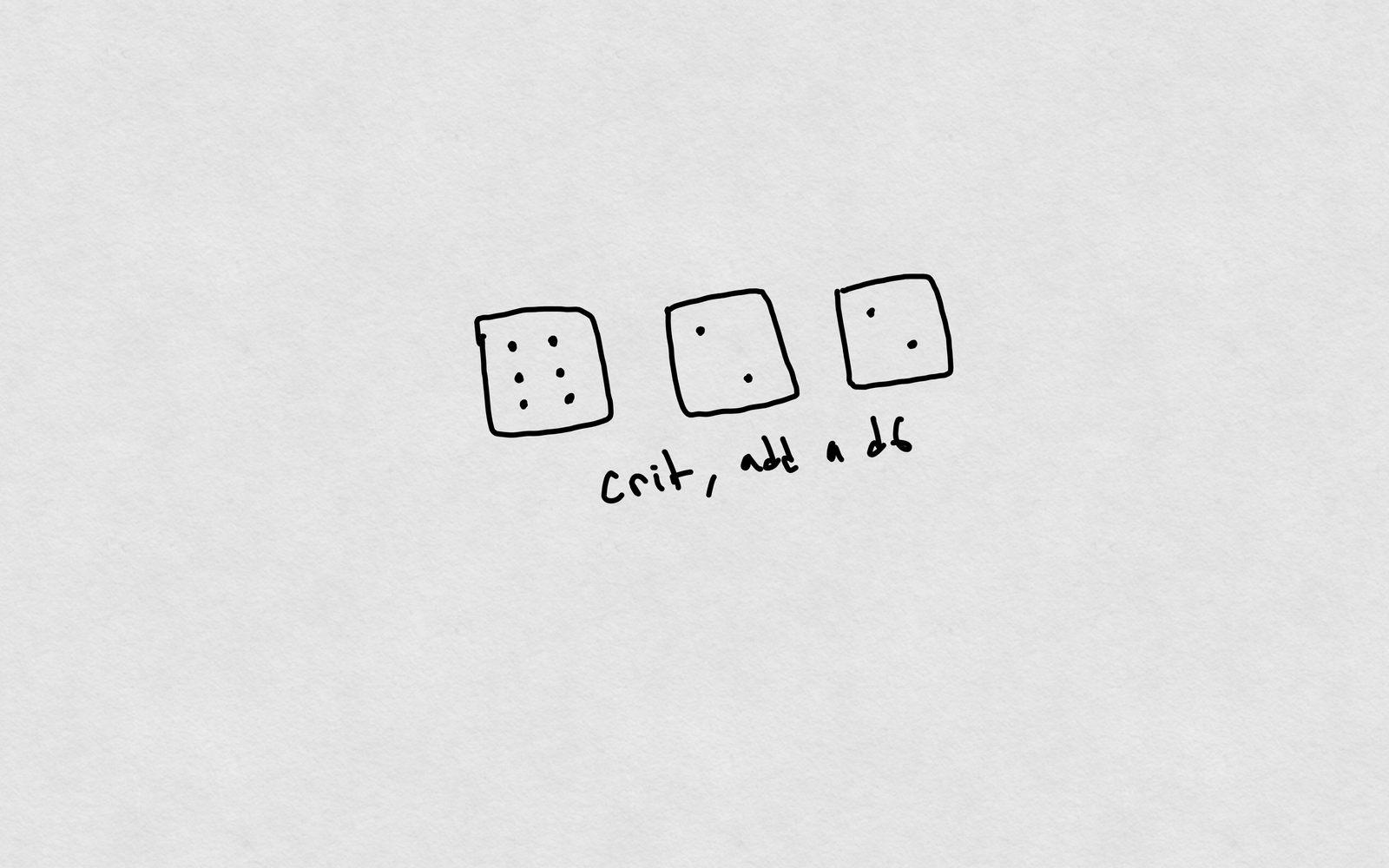
If it’s the maximum number, add another damage dice for a crit.
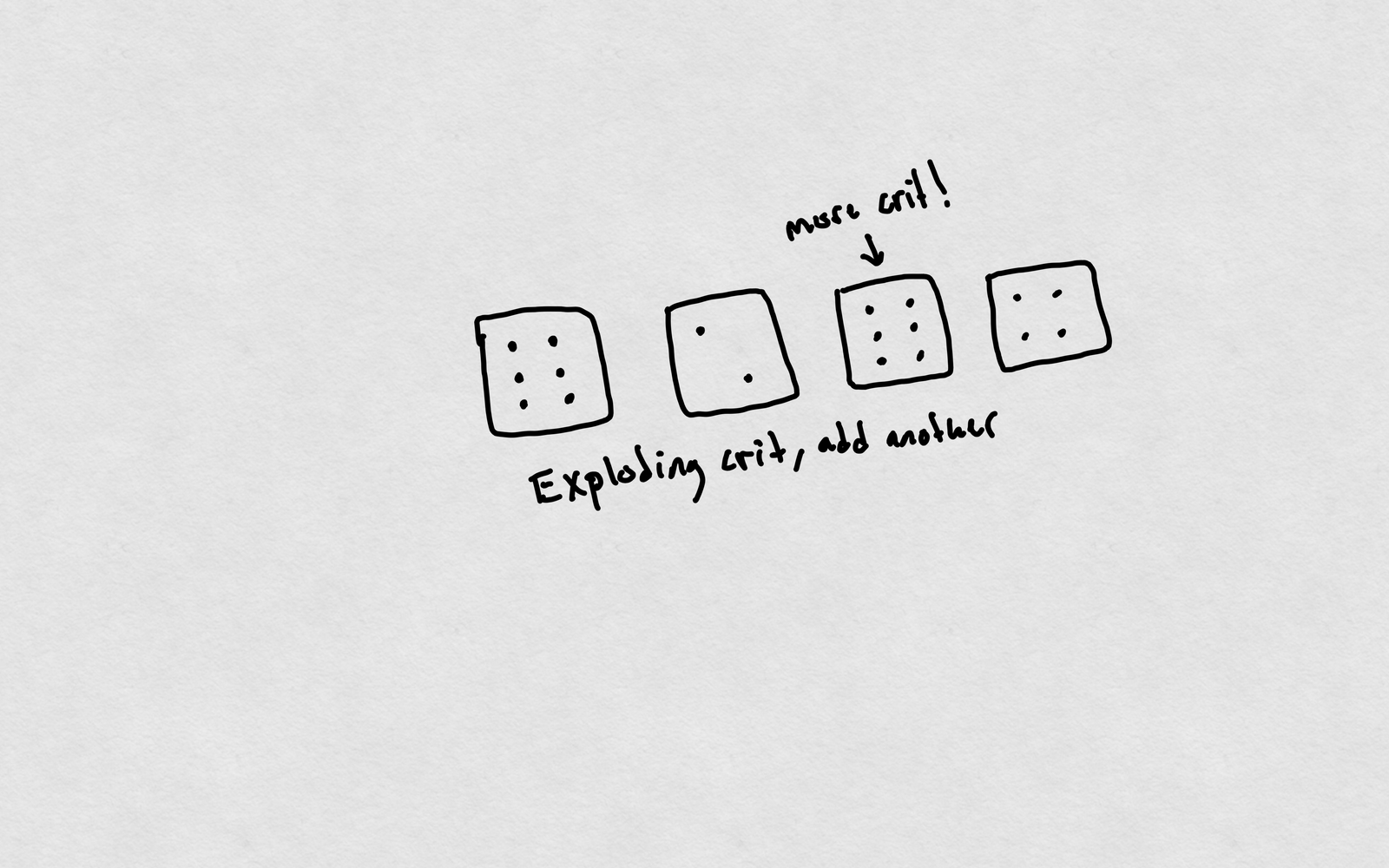
If you roll another maximum roll, roll another damage die, and so on.
Now for fear and hope!
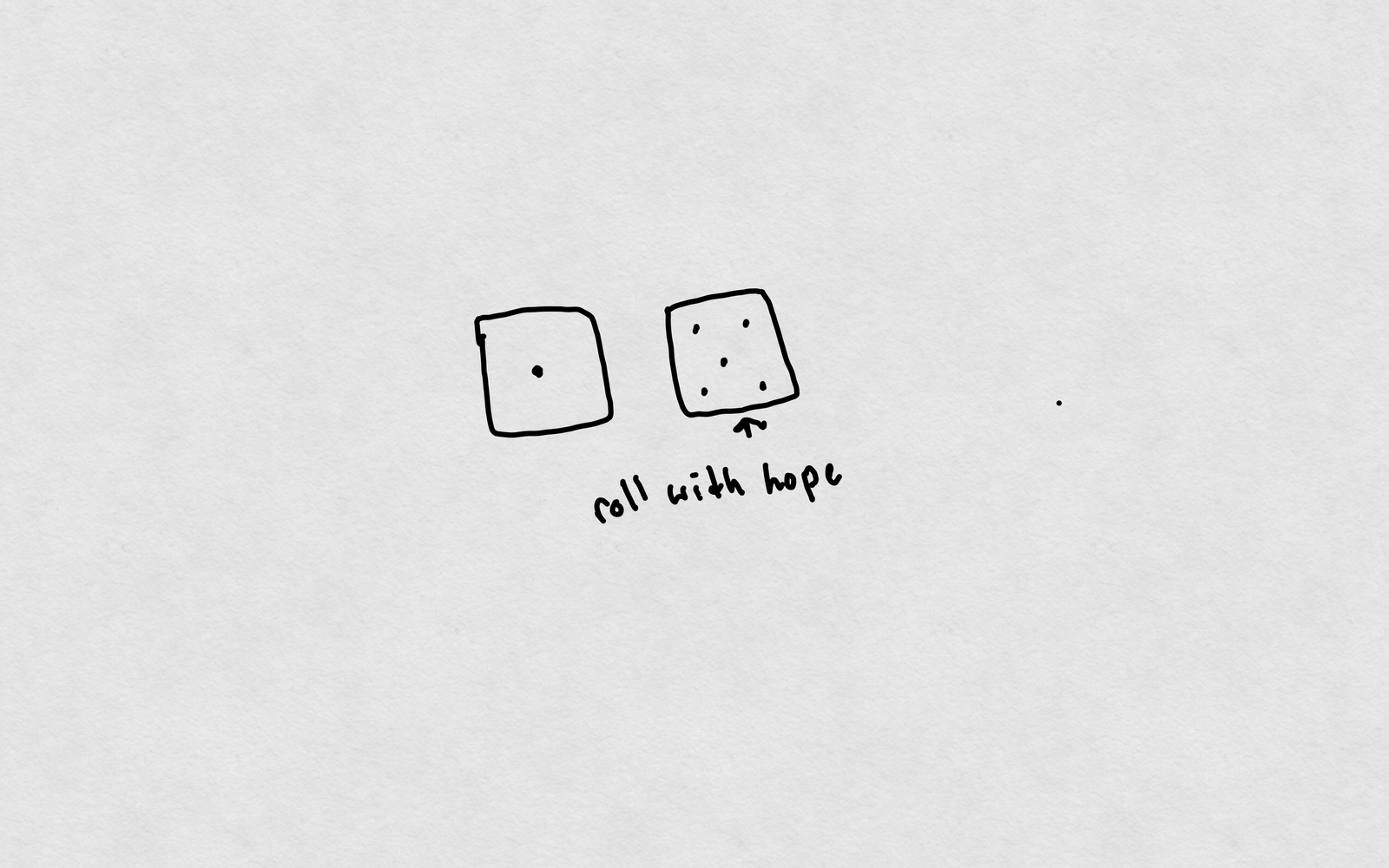
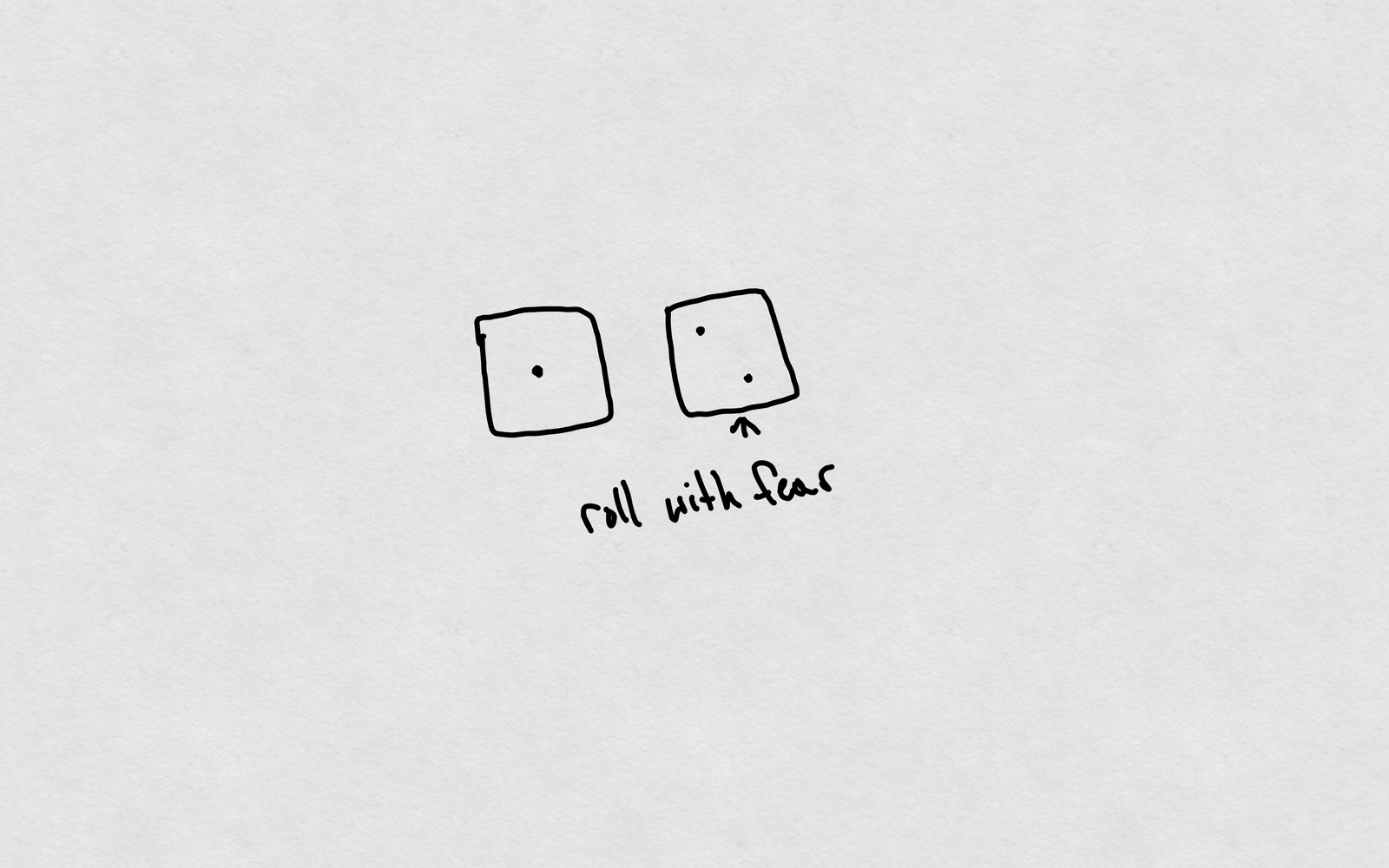
If your second die, the “secondary die”, is a number from the bottom half of the dice (for example, 1-3 on a d6) you roll with fear. If it’s the top half (4-6 on a d6) roll with hope. If you only have one damage die, roll and second but don’t count it for damage. This should have you saying things like “I do 24 damage with hope” or “I do 32 damage with fear”. Separating which die is used for hitting & missing from which die gives you hope or fear still allows you to miss with hope or succeed with fear. Skip an administrative roll and and a “Does ___ hit” “Yes” exchange. It may seems like shaving off a few seconds just to do it but you’d be surprised how much mental energy you save by not going back and forth trying to answer administrative questions about hitting or not.
Example
Daria the rogue goes to stab a goblin with her dagger. Her dagger does 2 d4 damage. She rolls a 4 and a 2. The first d4 is the primary die: a 4 means she crits! The second d4 determines Hope/Fear: a 2 means Fear. So, she crits with fear and adds a d4 for the exploding critical. She rolls another 4! More crits! She rolls another and rolls only a 1. Too bad! Sometimes the dice gods are like that… She does a total of 11 damage with her dagger in one turn but the GM gains a fear.
Implications
Advantage and Disadvantage
I don’t have a perfect solution for this one yet. I’m inclined to try D&D style advantage and disadvantage. Roll your primary die 2 and take the higher for advantage, lower for disadvantage. See any problems with that?
Swingy-ness
This changes probabilities depending on your hope dice… I personally think this is fun and goes along with flavor. It aligns the weapon’s crit / accuracy ratio with the weapons identity.
Larger damage die for things like a greataxe are going to have a higher probability of hitting but a lower chance of crit’ing.
Smaller damage die for things like a dagger with have a lower probability of hitting but a higher chance of crit’ing.
| Primary damage die | Hit chance | Crit chance |
|---|---|---|
| d4 | 75% | 25% |
| d6 | 83.3% | 16.7% |
| d8 | 87.5% | 12.5% |
| d10 | 90% | 10% |
| d12 | 91.7% | 8.3% |
| d20 | 95% | 5% |
I think this will affect average damage per turn and you might find yourself needing to adjust encounters while you get a feel for it… Maybe lean into more encounters with easy ways to bring in extra adversaries or have adversaries leave combat until you find the right balance.
Abilities that modify hope / fear dice
The immediate example is the Vampire transformations Feed ability. This ability turns a fear dice into a d20, making a roll much more likely to succeed, but more likely with fear. There’s not as clean to this that doesn’t involve explanation to your players… The first solution that comes is to modify the ability to any attack will hit but it will always be a roll with fear. That’s a little severe… but it might still be fun and might be worth it to your players. Abilities like this might be the area to noodle on the most.
Should you try this?
Maybe?? If D&D combat wasn’t bothering you too much and Daggerheart feels much more engaging, don’t fix what ain’t broke. If you’re players are new to roleplaying, it’s probably going to take them time to learn either way.
But I run games for one group in particular that only plays maybe 3-5 times a year. There are no rules lawyers in the group, in fact a even more roleplay heavy, rules light game might actually be a better fit for them. But they do seem to enjoy tactical combat. So every time we have combat, they forget what stress is, the difference between damage and hp, what a roll to attack is vs a roll for damage, etc. The more I can streamline combat for this specific table, the better.
I also personally don’t enjoy combat steps that turn into rules and mechanics 101 sessions. It really takes me out of the action and the fiction. The more I can do to focus on the drama of it all the better.
Final disclaimer — this is just an idea right now. I haven’t playtested it with my players yet… I was just reviewing stuff for a Nimble oneshot and started thinking “Wow… Daggerheart has a lot of back and forth during combat…”
If you try this, please tell me how it goes for you!
Comments
Opening comments loads Disqus, which uses cookies and shares data for advertising. Comments are public. Disqus is for readers aged 18 and over. Privacy policy · Disqus terms
Copy any unfinished comment before reloading comments.
Enable JavaScript to open comments.